...This Agenda is a plan of action for people, planet and prosperity... We are resolved to free the human race from the tyranny of poverty and want and to heal and secure our planet…

Search This Blog

Showing posts with label business. Show all posts

Tuesday, August 9, 2016

Audio Report: Riding Ghana’s economy on bamboo products

Ghana’s bamboo is twice stronger than other species found in the world, according to research by Columbia University.

Bamboo and rattan development in the country can therefore serve as a resource for environmental protection and for income and foreign exchange generation.

The local bamboo bike industry, for instance, is emerging to deliver a sustainable and affordable form of transportation that satisfies local needs and suitable for the European and US export markets.

It is projected that Ghana can generate a billion dollar revenue annually from the export of value added bamboo and rattan products.
However, more concerted efforts are needed for the country to reap the full benefits of processing the abundant non–timber bamboo and rattan forest product for socio-economic development.

The economic value of the product is not yet significant but this could be leveraged if the industry is properly developed.

In this report, Kofi Adu Domfeh examines how bamboo development can help Ghana address problems of climate change, poverty, rural-urban migration and high youth unemployment.

Listen to report...


Monday, November 2, 2015

AUDIO REPORT: Business as usual not tenable in the face of climate change

Business leaders across sectors the world over are taking practical steps to tackle climate change through sustainability.

From high-tech firms that develop new clean energy technologies to businesses who integrate sustainability into their company culture, businesses are redefining “business as usual” through climate action.

People, Planet and Profit are the three core areas on which sustainable businesses, or green businesses, focus. 

Balancing all three is important to meeting the needs of current generations without compromising future ones.  

The changing climate could exacerbate the challenge of energy generation and food security in developing economies like Ghana. But there are also opportunities.

In the following report, Kofi Adu Domfeh explores the place of Ghanaian businesses and industry in the global climate space.


Monday, May 11, 2015

African Partner Pool supports businesses to expand supply base

The Africa Partner Pool (APP) is looking to increase opportunities for local businesses to market their products and services to a wider market.

The private sector initiative by Invest in Africa brings together leading companies across sectors to develop local enterprise and support investment in Ghana.

The pool of buyers comprises about 90 percent of international and multinational companies.

However some local industries, like oil and gas, demand high technical capacity to meet the supply needs of companies within the pool.

With a one million dollar grant from the African Development Bank (AfDB), the initiative is supporting the competence development of local supplies. This is to encourage the buyers to seek solutions locally.

APP Manager, Ben Manu tells Luv Biz it is cost effective for multinational companies to source solutions locally.

“When you source abroad, it’s expensive; the goods or the materials you need to supply that service you need to import; the human resource you need to deploy these goods, you need to also import and that’s expensive,” he said.

There are currently ten commercial buyers who on regular basis put up tenders and notices on the partner pool to attract the registered 310 supplies who can meet the requirements for the supply of the goods and services.

Mr. Manu says there are plans to expand the buyer-supplier base.

“The vision by end of next year is to grow the number of buyers to 20 so ten more and we’re doing that because we want to improve the opportunities that this local supplier base can have… and the suppliers we’re also seeking to grow them by 1,000 to give the buyers options to find, in a competitive way, suppliers that can meet their demand”.

Businesses in the Ashanti and Brong Ahafo regions have been engaged to tap into the opportunity.

President of the Association of Ghana Industries, James Asare-Adjei, reiterated the resolve of the Association to support members survive in the face of the challenges in operations.

“Irrespective of the challenges and the problems, one thing that the entrepreneur knows how to do best is to survive in the face of challenges,” he expressed. “We are there as a leading private sector advocacy group to support you and that is why the APP project comes in handy”.

The power crisis, high cost of borrowing and depreciation of the cedi against other foreign currencies are major challenges confronting local businesses.


Story by Kofi Adu Domfeh 

Wednesday, April 15, 2015

UN Secretary-General calls for more sustainable energy investment

UN Secretary-General Ban Ki-moon has called on business leaders to expand investment in low-carbon growth and opportunities to advance sustainable energy for all and tackle climate change.

This was contained in a statement to The Future of Energy Summit 2015, organized by Bloomberg New Energy Finance.

Noting that global investment in renewable power and fuels in 2014 spiked by more than 15 per cent over 2013, with investments in developing countries growing by more than a third, he pointed out that renewable energies still contribute less than 10 per cent of global electricity, but that incentives can shift this forward.

“Energy is a story of global progress,” the Secretary-General said. “Smart investors are opening new markets, facilitating new business models, and supporting entrepreneurs in developing countries.” 

He added, “I am here to urge you to take action for sustainable energy."

He pointed to a new UN-led Global Energy Efficiency Accelerator Platform with the potential to double efficiency by 2030, save more than a gigaton of carbon emissions each year and save tens of billions of dollars, as well as partnerships with banks and investment institutions that can mobilize another $120 billion a year in sustainable energy investments.
 
Ban Ki-moon told the business leaders, “These significant sums are just part of what is possible. I count on your help to realize the enormous potential out there.”

The private sector, at the Climate Summit last September, announced plans to mobilize over $200 billion in financial assets towards low-carbon and climate-resilient development.

Mr. Ban said the Paris Climate Conference in December would only succeed with a strong, credible climate finance package, and he urged the private sector to help move this process forward.

To put the global economy on a path to low-carbon growth, he called for carbon pricing, the phase-out of inefficient fossil fuel subsidies and stronger energy efficiency standards.

UN Sustainable Energy for All Forum to spur solutions

Mr. Ban also announced that the United Nations will convene the second annual UN Sustainable Energy for All Forum on 17-21 May in New York, working with the World Bank and other key partners.  The Forum will bring together over a thousand sustainable energy innovators to share solutions and spur action.

Currently one out of five people lives without access to electricity, and nearly 40 per cent of the world’s population rely on wood, coal, charcoal or animal waste to cook and heat their homes, leading to over four million deaths each year, mostly women and children, from the effects of indoor smoke.

Addressing this energy poverty while also reducing greenhouse gas emissions and tackling climate change is a crucial global challenge.

Kandeh Yumkella, the Special Representative of the UN Secretary–General and chief executive of the Sustainable Energy for All Initiative, called on the private sector to seize the opportunity by innovating and investing to help achieve the initiative’s objectives.


“The speed and scale of interventions we need to transform our current energy system and ensure shared prosperity lie in the private sector,” said Yumkella.

Friday, November 21, 2014

Private sector gets conscious of climate change developments

Change has been identified as one of the major challenges to sustainable growth and development in developing economies like Ghana.

Businesses are as vulnerable as local communities to the negative effects of the changing climate – extreme weather conditions affect food production, forests and human health which have implication for businesses.

The Business Sector Advocacy Challenge (BUSAC) Fund has over the years provided grants for the private sector to undertake advocacy actions to contribute to the improvement in the business environment.

The Fund, in the next couple of years, is turning to capacity building in climate change adaptation and mitigation activities, in addition to its business advocacy.

“We have throughout all our grants noticed that businesses are being affected by climate change and that there is an increasing focus from government and donor community on looking at climate change issues and there are a number of advocacy issues which have clear climate change implications that we could help our grantees with”, noted Nicolas Gebara, Fund Manager at BUSAC Ghana.

Beneficiary grantees are supported in the areas bush fire burning, cutting of economic trees and renewable energy sources.

The Private Enterprise Federation (PEF), an umbrella body for the promotion of private sector interests in Ghana, has provided a platform for various private and public sector stakeholders to discuss developments and challenges on how the private sector can take advantage of business opportunities in the green economy.

Under its ‘Mapping of Environmental and Climate Change Projects in Ghana’, the Federation is seeking to undertake proper mapping-up of climate change interventions to help the private sector take advantage of the business opportunities through coordinated partnerships and easy access to information.

With support from the Konrad Adenauer Stiftung (KAS), the Federation seeks to accomplish its target by mapping out all climate change and environment stakeholders and their activities; creating a momentum for networking and awareness creation on climate change and the environment; stimulating real investment in climate change and environment led by the private sector ; and creating the opportunity for business-to-business dialogue on climate change and environment – a nexus of the private sector and climate change.

Ghanaian businesses can explore opportunities in development innovations for climate-smart agricultural production and value addition, engage in tree plantations to tap into carbon financing, establish green estates and generate efficient energy options.

According to Mr. Gebara, there are opportunities for private sector businesses by “interacting more at the international level to get source of finances that can provide the resources to put into programmes that combat climate change.”

He observed a high level of awareness of climate change among private sector interest groups which can be translated into action.

“The policy is there and there is the clear need now to implement that policy and implement an action plan in order to start to combating climate change and adapting to climate change to secure food and secure livelihood of the Ghanaian people,” said the BUSAC Fund Manager.

The National Climate Change Policy was launched in July 2014 to reflect Ghana’s Shared Growth Agenda, a blueprint for national development.

Story by Kofi Adu Domfeh 

Tuesday, November 4, 2014

Multimedia Group Adjudged Tourism-Oriented Media of the Year

Multimedia Group Limited was adjudged the ‘Tourism Oriented Media of the Year’ at the 2014 Ashanti Regional Tourism Awards event held in Kumasi.

The 9th edition of the event, organised by the Ghana Tourism Authority (GTA) was on the theme: ‘‘Harnessing Our Tourism Resources for National Development’’.

“The primary objective of the tourism awards scheme is to encourage pursuit of excellence by tourism plant owners, management and workers,” said Ekow Sampson, Ashanti Regional Manager of GTA.

It also seeks to motivate corporate bodies and individuals to support tourism   development.

The Kumasi Unit of Multimedia Group Limited – comprising Luv FM and Nhyira FM – was honoured in recognition of outstanding achievements in the development and promotion of tourism in the Ashanti Region.

“With passion for events and tourism activities, it [Multimedia] has partnered district assemblies and the Ghana Tourism Authority to organize successful events during public holidays,” read a citation accompanying the Award.
 
Luv FM and Nhyira FM have over the years organised events to drive domestic tourists to the Lake Bosomtwe attraction area.

Senior Sales and Marketing Manager, Isaac Antwi, who received the Award on behalf of Multimedia Group, re-stated the resolve of the company to churn out development-oriented events and programs.

He said “Multimedia will continue to deliver, to its cherished listeners, irresistible and addictive content whilst maintaining higher standards in the media industry.”

The awards event saw about 39 establishments winning in various categories.

“I wish to state that the Ashanti Regional Tourism Awards event which started over twenty years ago has impacted positively on the standard of facilities and services in the region,” observed Mr. Sampson. “There has been remarkable increase in the provision of quality hotels, restaurants, car rental establishments, fast food joints, traditional chop bars, night clubs in Ashanti Region”.


Story by Kofi Adu Domfeh 

Tuesday, October 28, 2014

Ghanaian entrepreneurs slow to access equity financing

Demand for start-up funding as well as capital for business expansion remains high in Ghana.

Local manufacturers, especially, complain of high cost of credit at the commercial banks to grow operations.

But there are other funding opportunities for entrepreneurs and businesses, which inherently place limited burden on business operators. Sources of equity financing in Ghana include the Venture Capital Trust Fund and the Export Trade, Agricultural and Industrial Development Fund (EDAIF).

Luv Biz enquiries however suggest most entrepreneurs are reluctant to access such funds for fear of sharing ownership with fund managers.

“It has become a challenge for some of them [entrepreneurs]; we’ve had to go through a process of going to fund a company, where we’ve given the company the offer for them to turn it down, several times, because you are going to share ownership,” noted Percival Ofori Ampomah, Head of Investments at the Venture Capital Trust Fund.

Equity financing often involves buying ownership and sharing in decision making at the Board level of a company for a period of time.

The Trust Fund is a government of Ghana backed private equity initiative providing long-term funds and technical support to enable SMEs grow and expand operations.

Since 2006, the Trust Fund has partnered with various private sector institutions and invested in 46 SMEs across various sectors of the Ghanaian economy.

A lot more local businesses are however least informed of such existing opportunities.

Dr. Kwaku Adu Aninkora, Chairman of the Ashanti Regional Advisory Committee of the Ghana Employers Association, acknowledged it is difficult for local businesses to raise capital without going in for equity financing.

He is encouraging members to open up their books to such funding opportunities.

“They are coming with about 70-80percent [of funding] and yours is to tope up with the 20percent… we have come to a stage where we need to partner each other and then move forward because no individual in Ghana can raise the needed capital for his or her business and the interest rates of the local banks are killing,” said Dr. Aninkora.

Meanwhile, the Ghana Employers Association has initiated moves to provide guarantee for members to access EDAIF.

Story by Kofi Adu Domfeh 

Tuesday, September 30, 2014

EDAIF expands reach to stimulate business and export trade

Access to credit and low production capacities as well as market information, product development and packaging are among major challenges facing businesses in the country.

The Ministry of Trade and Industry is hoping to address these through interventions of the Export Trade, Agricultural and Industrial Development Fund (EDAIF).

Acting sector Minister, Dr. Mustapha Ahmed, says zonal offices are being established across the country to make services accessible by reducing cost and time for potential clients.

He however tells Luv Biz accessing support under the Fund depends on how bankable, saleable and feasible a proposal is to receive approval.

“EDAIF is ready to support all businesses that are aiming to expand their activities so that they can also increase their capacity to export more,” said Dr. Ahmed.

Ghana export strategy has a policy of increasing revenue generation from the non-traditional export sector from the current $2.4billion to $5billion by 2017.

Dr. Ahmed noted there are special funding arrangements for some industries in poultry, agribusiness and pharmaceuticals to boost production and meet international market standards for export.

The EDAIF has the objective of providing financial resources for the development and promotion of export trade, agriculture related to agro-processing and industrial development.

Ashanti regional minister, Samuel Sarpong, is hopeful the siting of the EDAIF Zonal office in Kumasi would drive the promotion of business, commerce and tourism in the region.


Story by Kofi Adu Domfeh 

Thursday, September 11, 2014

Travel: Kumasi Airport upgrade to connect international flights

Domestic air passenger traffic at the Kumasi Airport has surged in the past three years with an increase in airlines and flight frequency.

The local airport has been identified as strategic in driving socio-economic development to the northern sector of the country.

Air travelers therefore want the upgrade of the Kumasi Airport to international status expedited to ease direct international flight connectivity.

Kofi Adu Domfeh filed this report from the airport… (Listen to audio)


Monday, April 7, 2014

Guaranteeing the independence of Ghana’s Audit Service

Ghana’s supreme audit institution, the Audit Service, is charged with the responsibility of promoting good governance in the areas of transparency, accountability and probity in the public financial management system.

The Service acts to protect the public purse by auditing the management of public resources and reporting to Parliament.

However, the independence of the Audit Service cannot be guaranteed in the current institutional arrangement where the President appoints the Auditor-General, observed the Audit Service Divisional Union of the Public Services Workers Union.

“To carry outs its role effectively, the Service needs to be financially, politically and administratively independent of Executive control. However, the Auditor-General is currently appointed by the President in consultation with the Council of State in contravention of the Lima Declaration,” said Samuel Teye Kofi Amoako, Chairman of the Union.

The Auditor-General, who currently reports to Parliament, must be appointed by Parliament through advertisement by Parliament, he opined.

Mr. Amoako also proposes a fixed term in office of ten years or retire at the age of 65 years, whichever comes earlier.

To guarantee the financial independence of the Audit Service, the Union has proposed that “just as the Ghana Revenue Authority is allowed to retain 3% of revenues collected for their administrative and other expenditure, 1.5% of all expenditure should be set aside as audit fees”.

The 4th Delegates Conference of the Audit Service Divisional Union has been held in Kumasi on the theme: “The Role of the State Auditor in National Development – Challenges of the Audit Service”.

Stakeholders at the conference noted that the challenges facing the Audit Service have the potential to undermine the effectiveness of government financial management if not addressed with the seriousness required.

Richard Amparbeng, General Secretary of the Public Services Workers Union, challenged assertions Ghana’s public sector is unproductive.

He says public sector institutions are rather bleeding with corruption and financial malfeasance, hence the need to plug all leakages.

“The State Auditor needs a lot of resources and protection to do a good work. The Auditor should be given the latitude to do his work without interventions from influential people in society”.

Meanwhile, Auditor-General, Richard Quartey, says management is working to provide requisite resources and remuneration to improve staff efficiency and productivity.

Story by Kofi Adu Domfeh


Tuesday, January 7, 2014

GTBank strategizes to boost its retail business in Kumasi

Guarantee Trust Bank Ghana would be opening four additional branches in Kumasi in the course of 2014, five years after venturing the local market.

The bank has over the period run on a single regional branch and expects the expansion to ease customers’ access to products and services.

Two of the networks would be located in the central business district of Adum, whilst the other two will be at Alabar and Suame.

Henry Obimpeh, Branch Head of GTBank in Kumasi, describes the five years of the bank’s operation in the Ashanti region as good and impressive.

He tells Luv Biz the expansion drive is a result of growth in business and change in operational strategy.

“Initially we were doing commercial banking purely but now we realize that the retail market is also booming and for that matter we need to take advantage of that and serve our retail customers,” he said.
 
The first two branches should be up by this first quarter of the year.

According to Mr. Obimpeh, the Bank will leverage on its electronic-based products to satisfy customer needs in 2014.

He noted that other products, like the ‘Senior Account’ for pensioners are being introduced to drive the business.


Story by Kofi Adu Domfeh 

Tuesday, December 31, 2013

2013 state of Ghana’s business and economy

President John Mahama at his inaugural address earlier in the year 2013 said he wanted Ghana to be a place where economic opportunities are available to all citizens.

He promised to give off his best and ensure his actions make a positive difference in the lives of Ghanaians. The President wanted the private sector to be an ally in his quest to grow the economy.

Economist, Deodat Adenutsi told Luv Biz Report the President will be under pressure to deliver on promises, stated that job creation, macroeconomic stability and Ghana’s international relations within the global economy were some areas to engage the attention of the President.

From the service industry to manufacturers, the impact of the power cuts was felt throughout 2013. Manufacturers were most worried as the erratic supply of electricity did not only disrupt production but people had to invest in fuel and maintenance to run their generators.

Fire outbreaks also wrecked havoc to commercial and business activities. The Kumasi Central Market and Suame light industrial area recorded major fire outbreaks, as valuable property worth thousands of cedis is lost in the inferno.

Owners of affected shops were devastated as most of them did not have insurance policies covering their shops.

A team of technical experts from the Netherlands was in the Country to help artisans under the Suame Magazine Industrial Development Organization (SMIDO) in Kumasi to improve their ability to the manufacture of vehicles.

As part of the project, a prototype vehicle – the SMATI Turtle 1 – was built at the Suame magazine and showcased in Ghana and the Netherland.

All eyes will however be on the introduction of the vehicle that uses no fuel, no oil, no water being developed by a Ghanaian innovator, Samuel Ampiah, at Suame magazine.

He will be pushing the frontiers of the current global automobile engineering standards, when he unveils the new vehicle. The SMATI Magnetic A is expected by the first quarter of 2014.

Ghana’s drive to mobilize deposits from the unbanked population and encourage savings faced serious challenges from the activities of unscrupulous microfinance firms.

Some of the microfinance firms collapsed as a result of poor risk and business management. This led to widespread public apathy in depositing funds with microfinance institutions.

Banking expert, Nana Otuo Acheampong advocated the establishment of a Financial Ombudsman in the country to serve the needs of financial consumers.

There was an insurgence in illegal mining activities in 2013. Farmlands were destroyed whilst water bodies and the environment were gravely polluted as a result of illegal mining.

Interest groups devised strategies to get tough to uproot galamseyers.

Ghana’s economic growth slowed in the first two quarters of the year and deep into the third quarter.

Financial and economic analysts anticipated the successful adjudication of Ghana’s electoral dispute would restore business and consumer confidence to speed up recovery of the larger economy.

However, power rationing, coupled with the introduction of new taxes impacted heavily on manufacturing and industrial production.

There was a 20% hike in petroleum prices and transport fares in September and from October utility tariffs went up – 78.9% for electricity and 52% for water.

These were expected to raise the cost of living, against the 17% increase in the National Daily Minimum Wage announced in September.

Labour unions and associations threatened to hit the streets in a demonstration against hikes in utility prices. Their agitations resulted in a downward review of electricity tariff.

Crude oil, Ghana’s second biggest export earner, generated some revenue to sustain the economy, but targets for cocoa sale were unstable and gold lost its shine prices on the international market drop steadily.
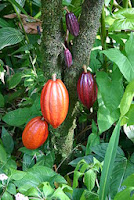
There were fears of business collapse, employee redundancy and high unemployment – mining firms took steps to downsize in order to contain the rising cost of production.

Hundreds of mineworkers have lost their jobs in 2013.

Yet, the some foreign investors, including the Australian Trade Commission, saw Ghana as a destination of choice for many of its companies, identifying investments in natural resources, agribusiness and education as the main opportunity areas for investors.

2013 was also rife with the debate of growing and eating genetically modified crops in Ghana. But at year end, scientists at the Crops Research Institute of the CSIR harvested seeds of the first-ever GM crop to be planted in Ghana – the Nitrogen Use Efficient (NUE) rice.

The trails were conducting on confined fields in the Ashanti region.

Interest groups in Ghana’s cocoa production also explored climate smart agricultural practices for farmers to mitigate and cope with the impact of climate change on production.

Going into 2014, interest groups would be watchful for government’s programs to address the rising budget deficit.

Already, the Public Utilities Regulatory Commission (PURC) has hinted of an increase in electricity and water tariffs from January 1, as the Automatic Adjustment Formula (AAF) for review of tariffs kicks in.

Businesses and other economic actors will keenly observe how the 2014 Budget will lead to a productive and prosperous New Year 2014.

Review by Kofi Adu Domfeh 

Monday, December 23, 2013

Ghana’s emerging billion dollar bamboo industry

Ghana can generate a billion dollar revenue annually from the export of value added bamboo and rattan products, according to projections.

The economic value of the product is not yet significant but this could be leveraged if the industry is properly developed.

In this special report, Kofi Adu Domfeh, examines how bamboo development can help Ghana address problems of climate change, poverty, rural-urban migration and high youth unemployment.

Find audio report…

Monday, November 25, 2013

Sports Ministry brands Ghana to milk benefits of World Cup 2014

Ghana is going to the FIFA World Cup tournament in Brazil 2014 to compete with the world in the global soccer challenge.

The West African country is highly excited at the third appearance and Ghanaians are gearing up for full representation at the football event.

For most Ghanaians, the peak of their excitement lies in seeing the country’s senior national team, the Black Stars, go to the very finals and most importantly win the much-cherished World Cup trophy.

Ghana made an impressive mark in South Africa 2010 and the pride of the country was up high globally, but the country failed to adequately take advantage of the tournament to market and brand the sporting and economic potentials to attract foreign investments.

“In the past two World Cups, I don’t think we were able to milk the positives, in terms of branding and positioning the nation Ghana as a brand that has potential not only as a football nation but in investment and sports tourism,” admits Elvis Afriyie Ankrah, Minister of Youth and Sports.

He however wants the 2014 World Cup to be an exception. According to him, a concept paper is being finalized to promote the county’s sports tourism and investment potentials in Brazil.

A team of interest groups, including media, sports personalities and business community will work together to work with the concept paper, which will include establishing a ‘Ghanaian Village’ to engage tourist and investor’ interest in Brazil through series of events and fairs.

“We’re going to use the platform of the World Cup as an avenue to create awareness about Ghana and brand Ghana so that the brand value that we’re going to derive from the team would make an impact on the country,” stated the Minister.


Story by Kofi Adu Domfeh

Translate

Popular Posts